Uncover the Archeology of Peace
Peace leaves traces. In the Horn of Africa, those traces are everywhere — in the rock art etched into sandstone hillsides, in the sacred springs where disputes were once settled, in the customary laws still alive in living memory. The Archaeology of Peace is a framework for reading those traces, and for understanding what they tell us about how communities have sustained themselves across millennia.
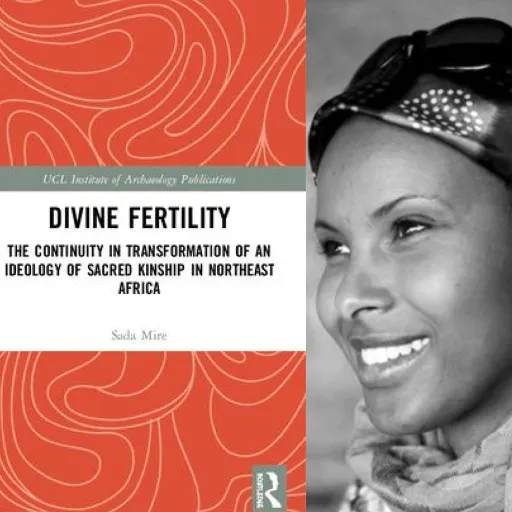
Conceived and developed by Dr Sada Mire, Associate Professor of Heritage Studies, UCL Institute of Archaeology, and published in Divine Fertility (UCL Press, 2020).
Practices
- Customary law
- Rituals
- Conflict resolution
- Consensus-making
Material culture
- Archaeological objects
- Ethnographic material
- Rock art sites
- Sufi saint shrines
Landscape
- Sacred landscapes
- Mountains
- Springs
- Trees
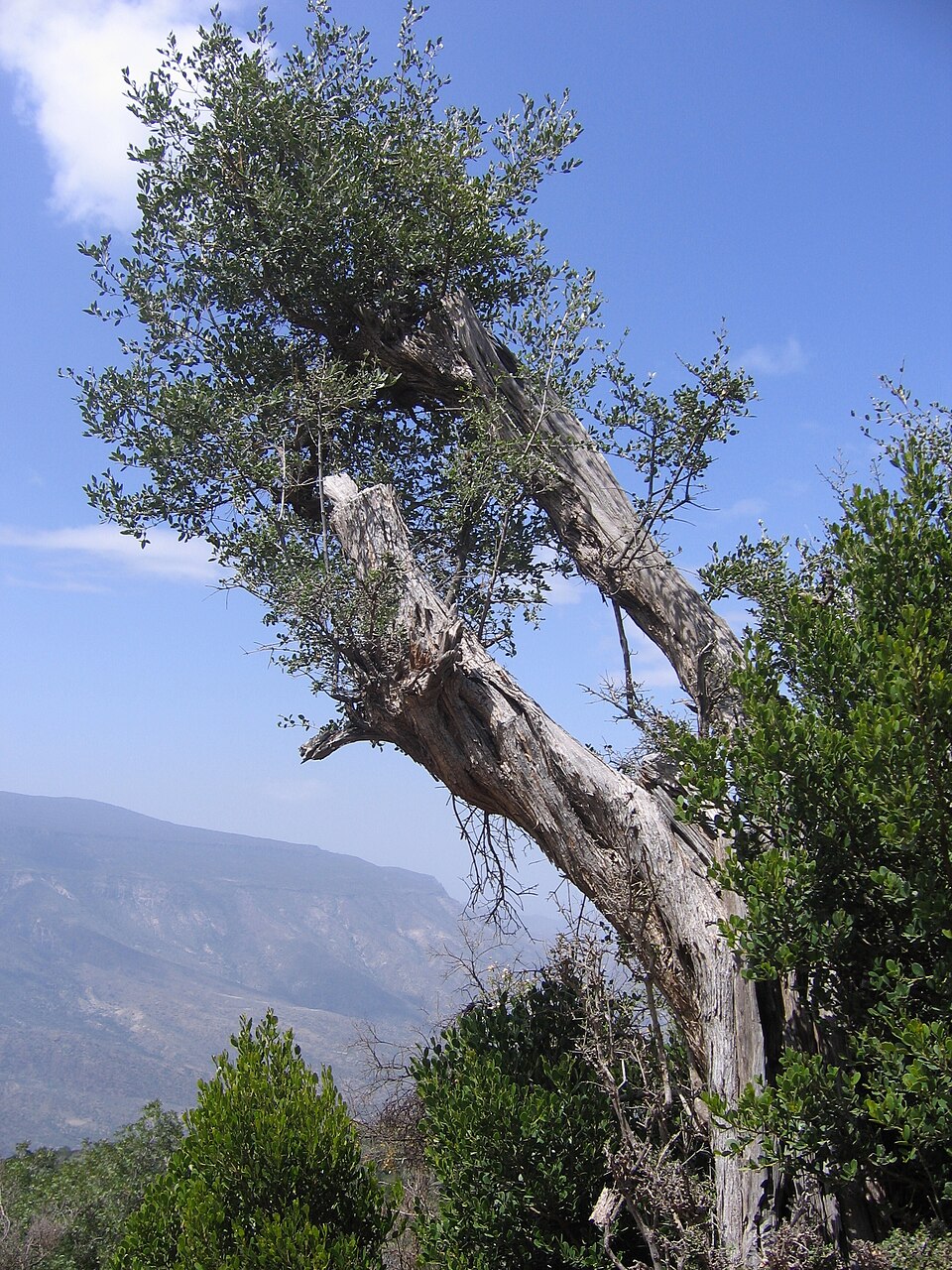
Sacred olive tree at Daalo sacred olive forest
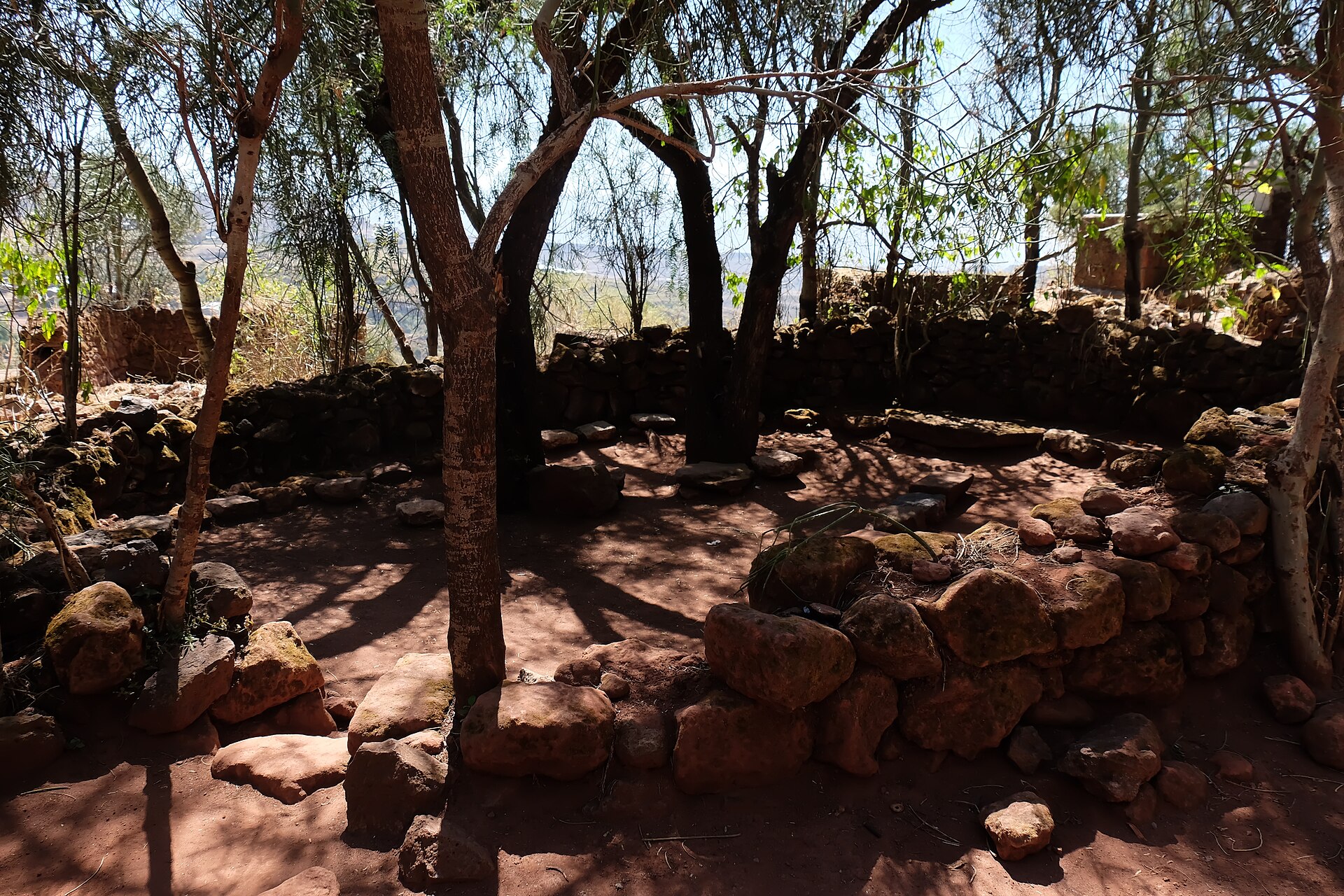
Ritual enclosure of Lalibela
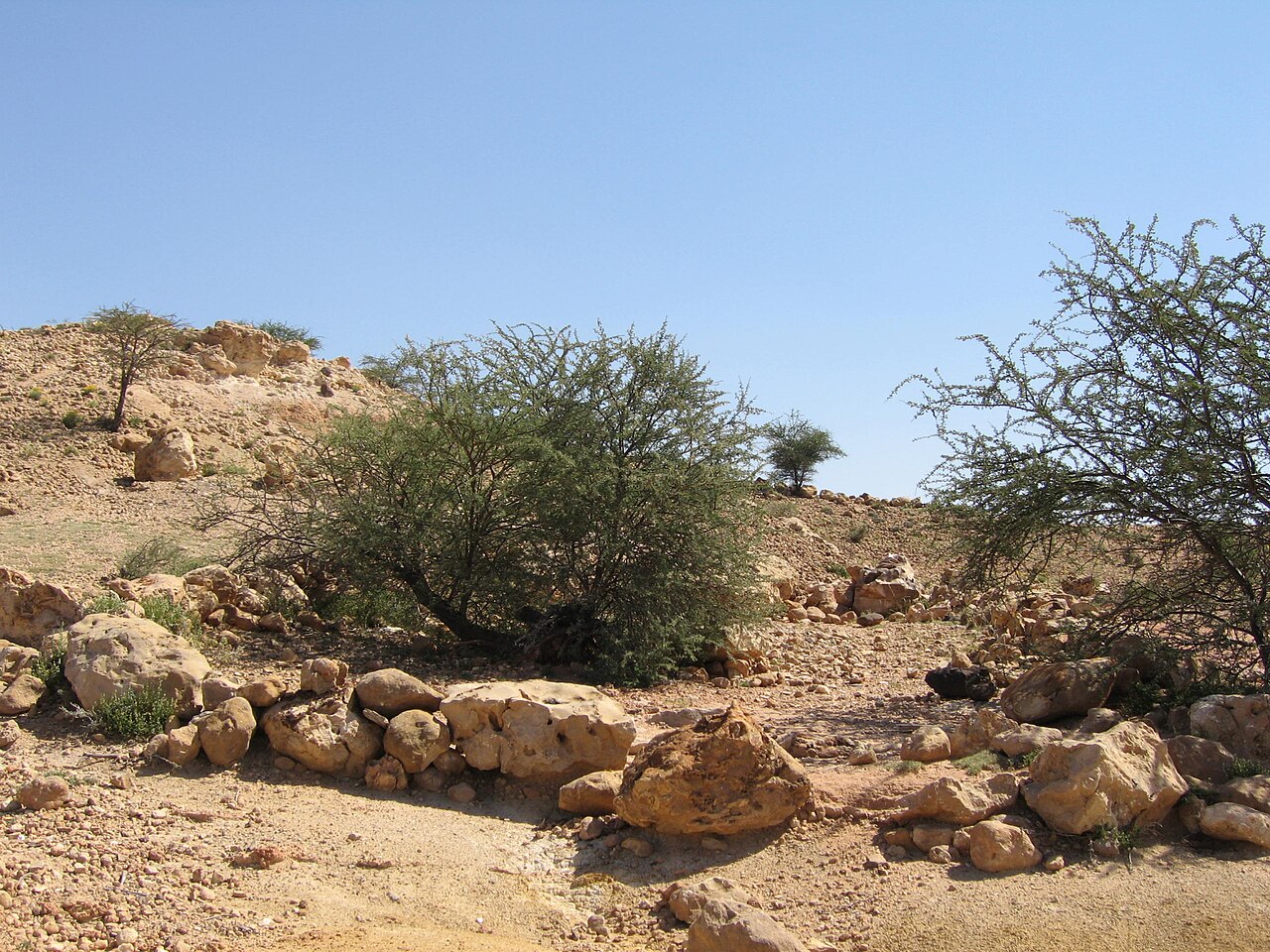
The Sacred enclosure at Aw Barkhadle
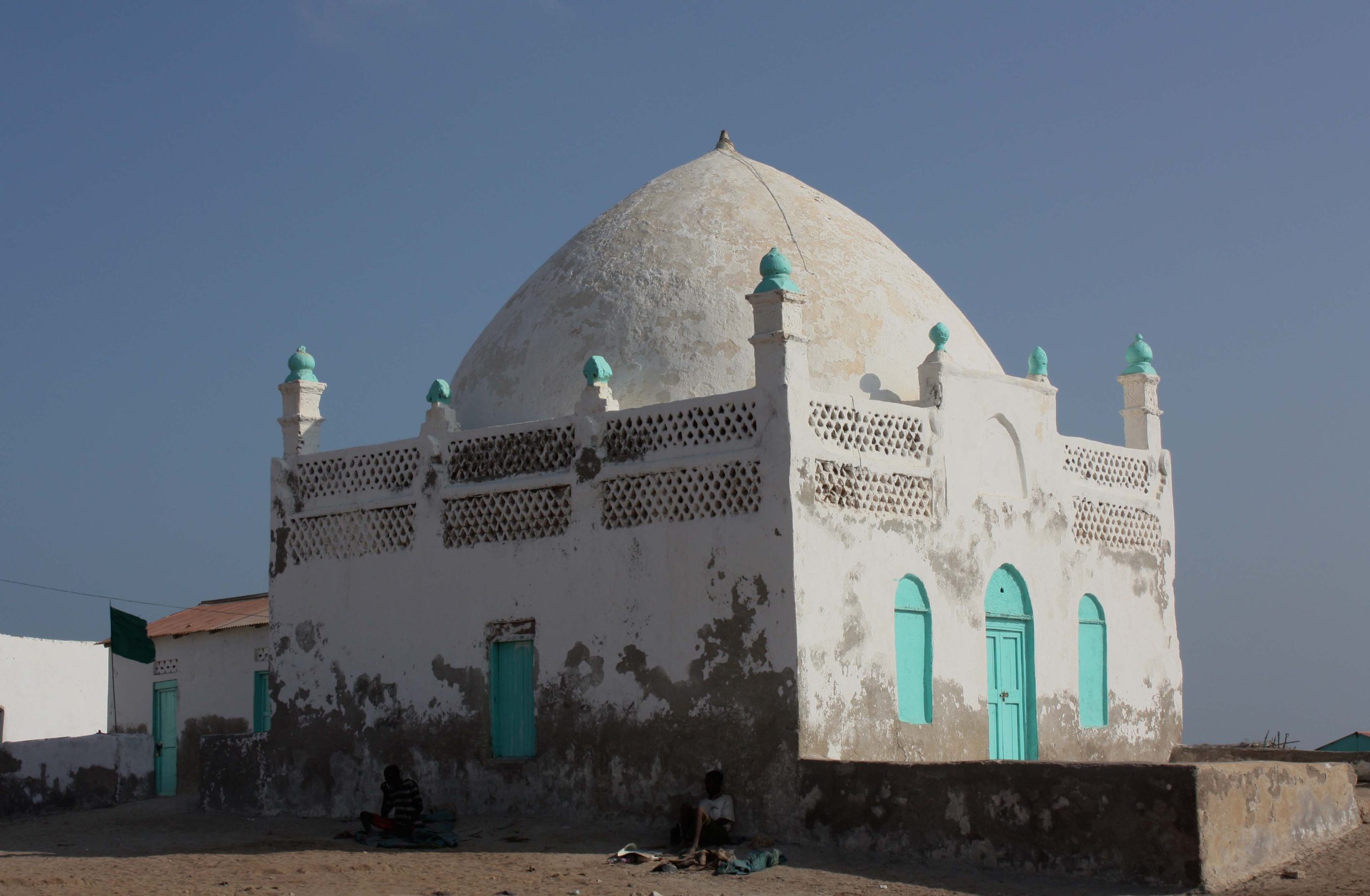
Mausoleum of Sheikh Saylici in Saylac
Understanding Our Past
The Archaeology of Peace
Dr Mire is Associate Professor of Heritage Studies at the UCL Institute of Archaeology and the founder of Horn Heritage, an NGO dedicated to research, education, and the protection of cultural heritage across the Horn of Africa and its diasporas.
Her scholarly work sits at the intersection of archaeology, anthropology, and heritage studies, with a particular focus on pre-Islamic and pre-Christian belief systems, sacred landscape, and indigenous frameworks for understanding the past. Her book Divine Fertility: The Continuity in Transformation of an Ideology of Sacred Kinship in Northeast Africa (UCL Press, 2020) sets out the Archaeology of Peace in full — a framework she has been developing since 2005.